

Key Takeaways
- Falls often trace back to changes in balance, vision, and strength, plus everyday home hazards.
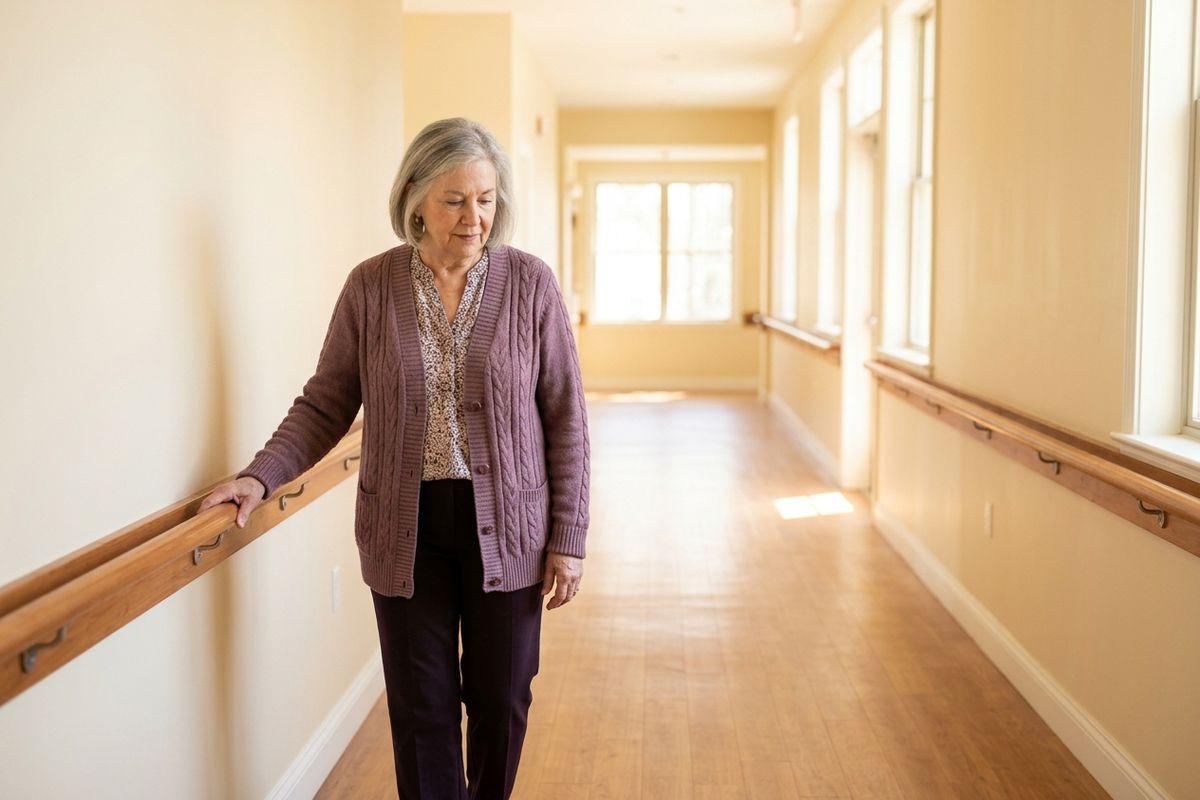
- Personal care settings remove common obstacles with grab bars, level flooring, and bright, clutter-free walkways.
- A personalized well-being assessment shapes support around your loved one’s habits, goals, and preferences.
- Movement classes build strength while adding social connection.
- If a fall happens, team members respond quickly and keep family in the loop.
Why Fall Prevention Matters in Personal Care
You’ve caught your loved one gripping onto the back of a chair on the way to the kitchen. Maybe you’ve noticed their legs slightly trembling when they’re taking the stairs. Our team at Juniper Village at Meadville knows how small moments like these can quietly dampen their day. That’s why we offer personal care and assisted living shaped around the life they already want to live.
Assisted living takes fall prevention seriously. It reduces risks of falls by removing hazards and supporting daily routines. It also builds strength through targeted movement programs.
Why Falls Happen in the First Place
Balance, vision, and muscle strength shift over time. And often, those shifts don’t announce themselves. You might notice your loved one turning a little slower or that a dim hallway feels harder to navigate. All these changes point to the importance of a safer setting.
Some medications bring side effects like dizziness or drowsiness that can throw off your loved one’s footing. Home layouts play a huge role too. A loose rug or poor lighting can quickly turn a routine walk into a stumble. Stacks of boxes near steps can create similar hazards. You can read more about balance problems in older adults to learn about what adjustments need to be made.
Other Warning Signs Families Notice
Some signs emerge as a larger pattern. It could be bruises without a clear story or skipped meals with friends. Worry about falling can start to shape the whole day. It keeps someone in one chair when they’d rather be out in the yard. This kind of restriction weighs heavily on the quality of life that your loved one deserves.
How Assisted Living Reduces Fall Risk Every Day
Personal care and assisted living settings are built with movement in mind. Grab bars sit within reach. Floors run even from one space to the next. And the hallways stay bright enough to read a name plate at a glance. This attention to detail is one of the many ways personal care communities support overall wellness.
In addition, walkways stay clear of clutter, and entries are step-free. Your loved one shouldn’t have to worry about a threshold when their hands are full. Team members are nearby around the clock. That means help is a short walk away no matter the time of day.
Personalized Well-Being Assessments
Every community member receives a personalized well-being assessment. It focuses on your loved one’s habits, goals, and daily routines. The goal is for it to be a genuine, supportive conversation about what they want to keep doing.
That plan doesn’t sit in a drawer. As your loved one’s needs and preferences shift, the plan shifts with them. That’s how support can keep up with where they actually are.
Support With Daily Routines
Some of the riskiest moments at home come from ordinary chores. In a personal care and assisted living community, those chores are handled for your loved one. They won’t have to scrape the frost off of windshields while standing on a slippery driveway.
Dining programs help too. Regular meals support steady energy through the afternoon. And eating nutritious meals is key to maintaining good balance and, in turn, preventing falls.
Movement and Wellness Programs That Build Strength
Aging shouldn’t mean losing strength. Balance, gait, and strength classes give your loved one a regular place to work on it. Someone’s always paying attention to how they’re moving in these sessions. And fitness programs range from chair yoga to strength training.
Gentler options fit different days and different preferences.
- Tai chi for slow, controlled weight shifts
- Walking groups that take them outside when the weather cooperates
- Stretching sessions that loosen up stiff mornings
- Seated exercise for days they’d rather stay put
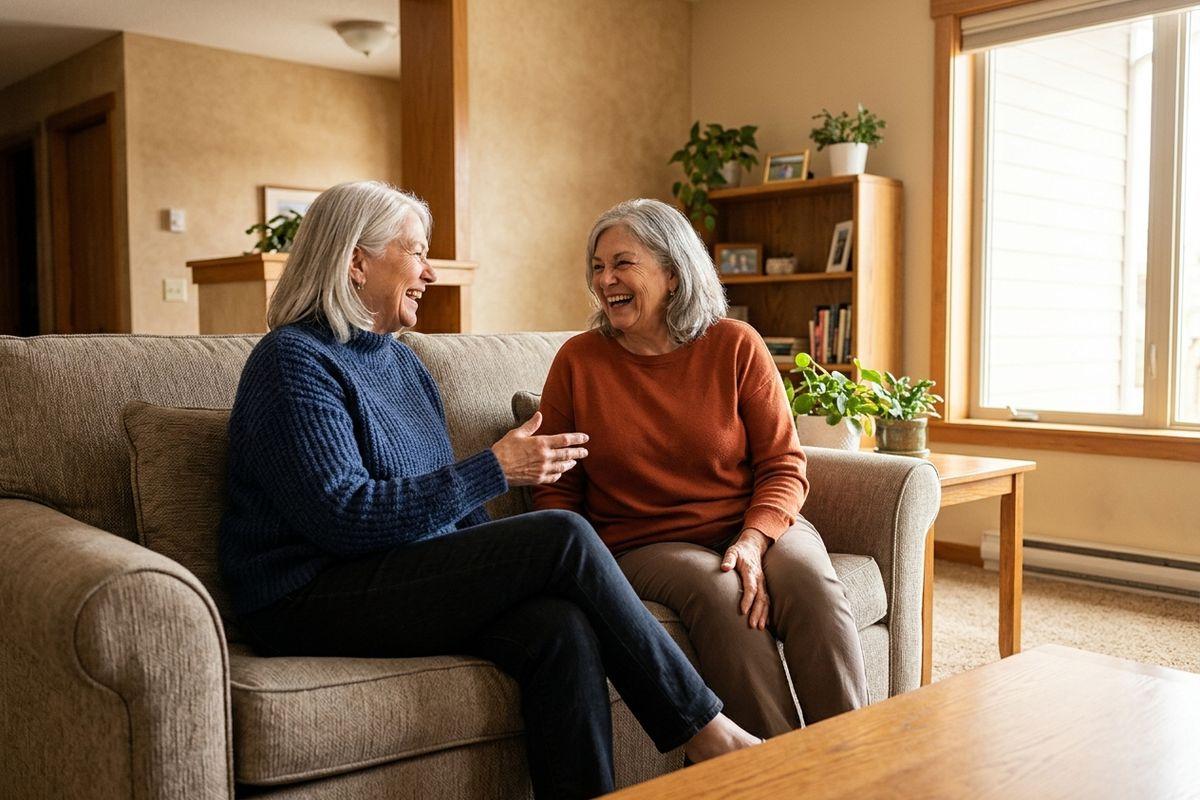
Doing it alongside other people changes the whole thing. Your loved one shows up because someone saved them a spot. Before they know it, an hour has passed in conversation as much as in movement. That’s part of what makes group exercise classes stick.
Juniper Signature Programs
Connect4Life coordinates health services on site. That means appointments happen where your loved one lives instead of across town. Fewer trips out means fewer chances for a slip in a parking lot.
Catalyst drives daily engagement through a sense of purpose. They get up and move because they want to, not due to a schedule.
Life With More Freedom at Juniper Village at Meadville
Safety here isn’t about limits. It’s about clearing the way so your loved one can keep walking to the garden and joining friends for dinner.
Juniper Village at Meadville offers personal care in northwest Pennsylvania, close to the neighborhoods and people they already know. Reach out to us today and schedule a visit. You and your loved one can walk the halls, meet our team, and see how our community champions safety and comfort.